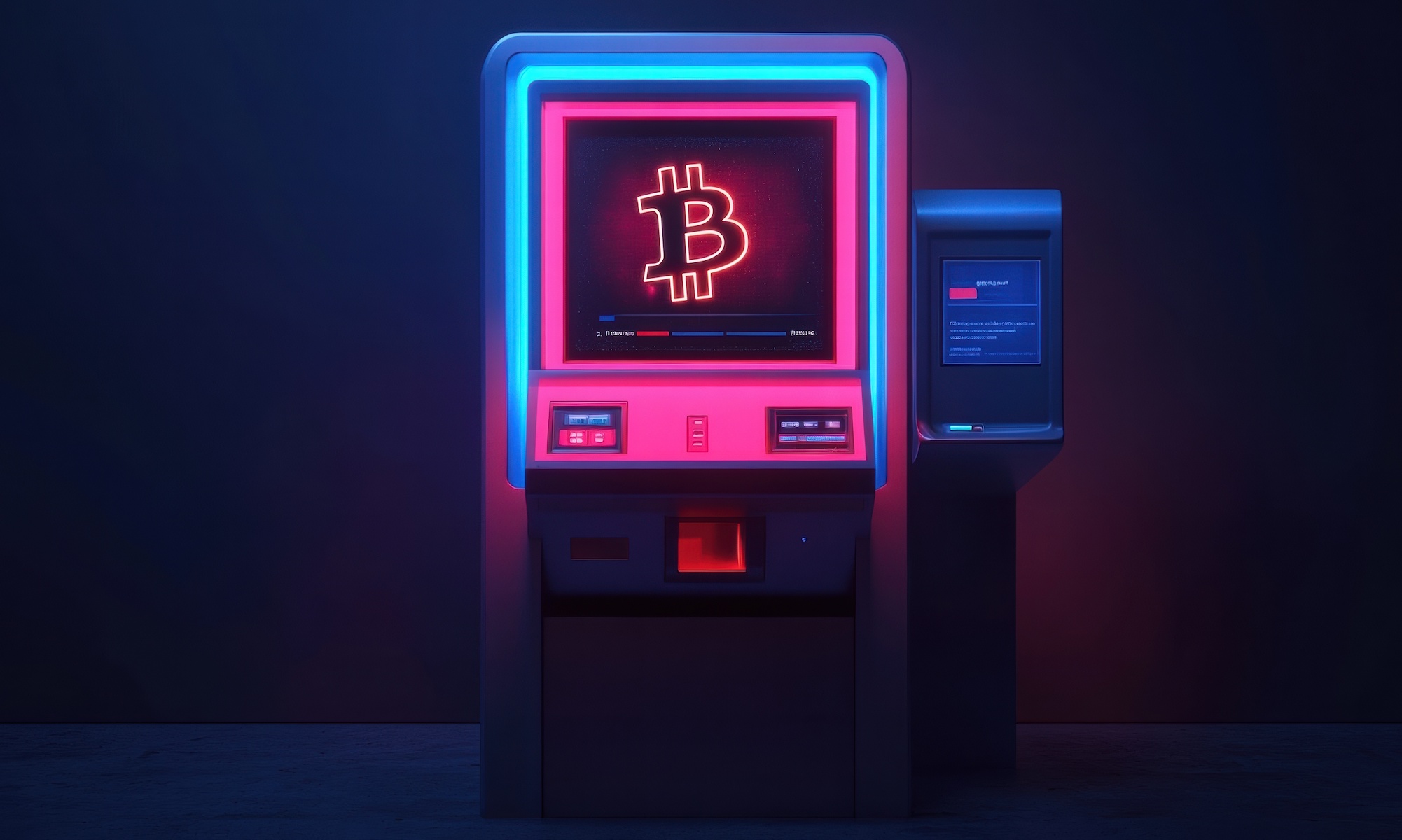
Many states and cities are now moving to ban cryptocurrency kiosks to protect people from fraud. These machines are often found in gas stations or grocery stores and are being linked to a rise in scams. Local leaders want to stop criminals from using these tools to take money from residents.
Why are states banning cryptocurrency kiosks?
Government officials are worried about how easy it is for scammers to use these machines. A person might get a fake phone call telling them to send money to stay out of trouble. The scammer tells them to go to a local shop and put cash into a Bitcoin kiosk. Because the money moves fast, it is almost impossible for the victim to get their cash back once it is sent.
By banning these machines, cities hope to cut off a main tool that criminals use. Many people who use these kiosks do not know much about how digital coins work. This makes them easy targets for people who want to steal their savings. Removing the machines from public places creates a barrier that can stop a scam before it starts.
What is the main danger of crypto kiosks?
The biggest problem is that these machines allow for anonymous and instant cash transfers. Scammers love this because they do not have to show their faces to take the money. They often pretend to be from the government or a big bank to scare people into using the kiosk. Once the cash is fed into the machine, it turns into digital credit and moves to a private wallet.
- Scammers use fear to make people go to the machines quickly.
- Kiosks are often located in busy areas where anyone can use them.
- Transactions cannot be reversed like a normal bank transfer or credit card charge.
- The machines often charge high fees that hurt the people using them.
How do cryptocurrency kiosks work for scammers?
A scammer usually stays on the phone with the victim until the transaction is done. They provide a digital code or a QR code for the victim to scan at the machine. This code belongs to the criminal, so the money goes straight to them. The victim thinks they are paying a bill or a fine, but they are actually giving away their money to a thief.
This process is much faster than going to a real bank where a teller might ask questions. Bank employees are trained to spot when an older person is being scammed and might stop the transfer. At a kiosk in a corner store, there is no one to watch out for the user. This lack of oversight is why so many local leaders are now voting for a full ban on the machines.
What will happen after the crypto kiosk ban?
If these bans pass, you will see fewer of these machines in your neighborhood shops. Business owners will have to remove them or face fines from the city or state. This might make it harder for honest people to buy digital coins, but leaders believe the safety of the public is more important. They want to make sure that people are not losing their life savings in a grocery store lobby.
In the future, more states might follow this path if the number of scams keeps going up. Lawmakers are looking at how these machines affect their communities every day. We should watch for new rules that might require these machines to have more warnings or better ID checks. For now, a total ban is the strongest step these cities can take to keep their citizens safe from fraud.
Post a Comment